




(Publish from Houston Texas USA)
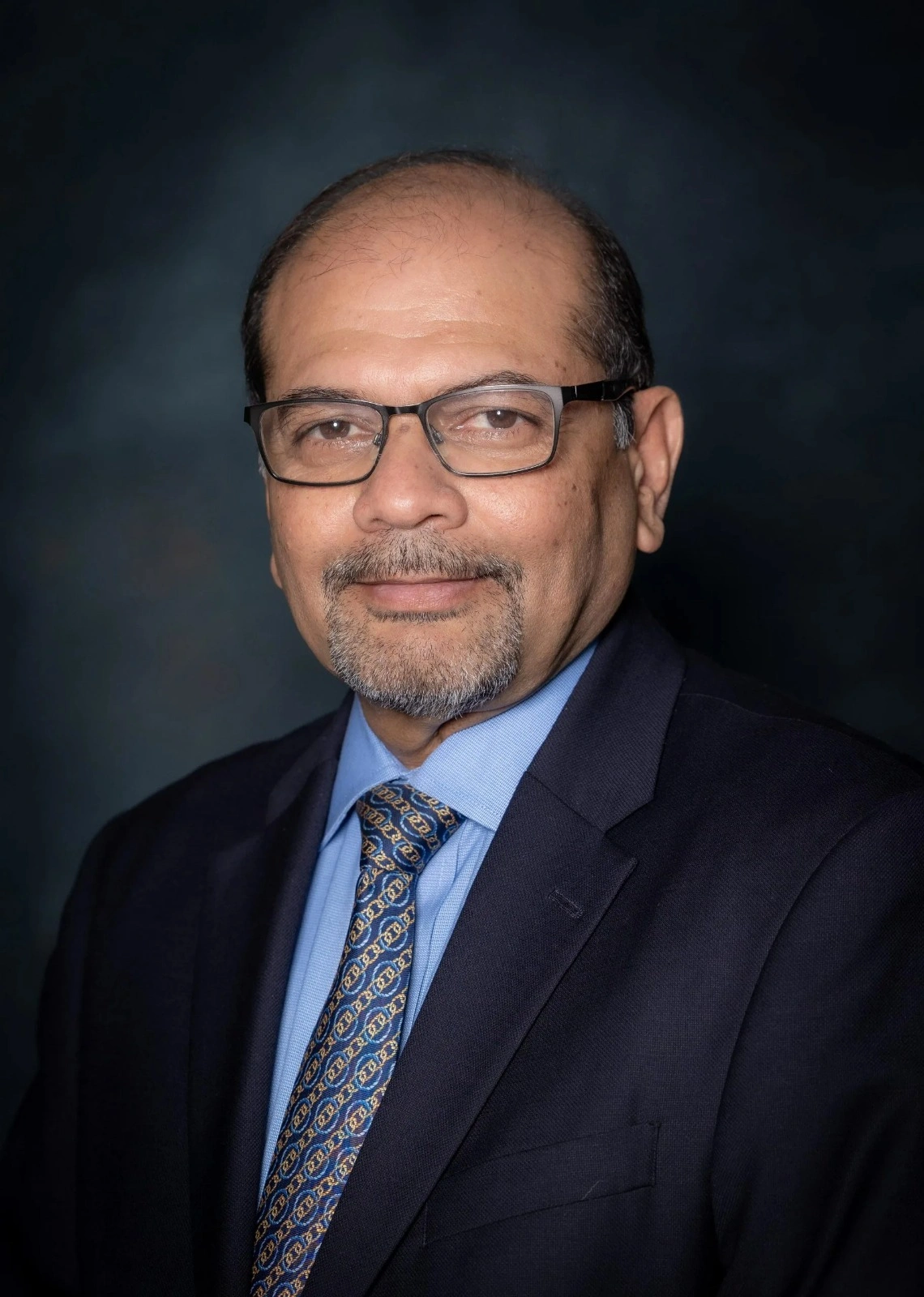
(By: Siraj Narsi)
On this day, February 4, 2026, Pakistanis from the shores of Karachi to the peaks of Hunza and around the world are pausing to remember a true friend. It has been one year since the passing of His Highness Prince Karim Al-Hussaini Aga Khan IV, a man whose life was an exemplary lesson in how one person’s vision can lift an entire nation. He was the 49th hereditary Imam of the Shia Imami Ismaili Muslims and a direct descendant of Prophet Muhammad (PBUH) through Hazrat Ali (AS) and Bibi Fatima (AS).

Pakistan held a special place in his heart. He had a deep commitment and love for Pakistan, evident from his development work in Pakistan throughout his illustrious life. Through the extensive work of the Aga Khan Development Network (AKDN), his vision fostered holistic and sustainable development across various critical sectors, leaving an indelible mark on education, health, rural uplift, and cultural and social services in the country.
A Legacy of family love and commitment
Prince Karim’s devotion to Pakistan was a family tradition. His grandfather, Sir Sultan Mahomed Shah (Aga Khan III), was one of the founding fathers of Pakistan. As the first president of the All-India Muslim League and a key figure in the Pakistan Movement, he laid the foundation for Muslim independence in the Indian sub-continent.

Prince Karim’s father, Prince Aly Khan, served as Pakistan’s Permanent Representative to the United Nations. He was a sophisticated voice for our young nation on the world stage, defending Pakistan’s interests during the critical years of the late 1950s. Prince Karim didn’t just inherit a title and the office of Imam; he also inherited a deep and generational love for the people of Pakistan.
The Strategic Gift: Securing Gwadar
One of the most overlooked chapters in our history is the purchase of Gwadar, which was a part of the Sultanate of Oman at the time of Pakistan’s independence, and so it remained until 1958. It was due to the untiring efforts of Begum Viqar-un-Nisa Noon and extensive diplomacy with the British Government that the Sultan of Oman agreed to sell Gwadar to Pakistan. Pakistan knew this coastline was vital for its future, but the national treasury was struggling. Stepping in at this critical hour, a young 22-year-old Prince Karim Aga Khan provided the essential financial backing—a sum of $3 million at the time—to make the purchase possible.

It wasn’t just a financial transaction; it was a territorial gift to the people of Pakistan. Today, as Gwadar becomes the gateway for the China-Pakistan Economic Corridor (CPEC), we must remember that this “crown jewel” of our economy might never have been ours without Prince Karim’s benevolence and his love for the people of Pakistan.
Beyond Charity: Building Institutions
Most philanthropists give money, but the Aga Khan gave us institutions. He understood that a country like Pakistan doesn’t need a temporary handout; it needs a permanent ladder. When we walk through the Aga Khan University Hospital in Karachi, we don’t just see a hospital. We see another symbol of Aga Khan’s love for Pakistan.

He wanted Pakistanis to have access to world-class healthcare and medical education. He set a “gold standard” for an international-quality hospital that forced every other hospital in the country to do better. The doctors trained by Aga Khan University are some of the best doctors around the world and have contributed tremendously to Pakistan’s well-being, both inside and outside of Pakistan.
Turning Mountains into Markets
If you want to see the real impact of Aga Khan’s development work in Pakistan, you have to look North. Decades ago, Gilgit-Baltistan and Chitral were beautiful but isolated, struggling with extreme poverty. The Aga Khan didn’t just build roads there; he built communities. Through the Aga Khan Rural Support Programme, he did something revolutionary: he asked the villagers to take charge of their own destiny. He created a sophisticated institutional mechanism to facilitate their empowerment.

His organization taught farmers how to grow better fruit, helped women start their own savings pool and small businesses, and brought schools and health clinics to the highest peaks. These interventions led to increased incomes, improved food security, and enhanced resilience for countless rural families. Today, those same villages are some of the most literate and self-sufficient areas in the country. He proved that no region is too remote to prosper if you invest in its people.
A Legacy That Lives On
On this first anniversary of Aga Khan IV’s passing, we aren’t just mourning a loss; we are celebrating a life lived for others. His son and successor, Prince Rahim Al-Hussaini Aga Khan V, has already taken up the mantle, ensuring that the work started by Prince Karim Aga Khan IV continues without a pause.
The Aga Khan’s footprint is everywhere: in the nurse who graduated from AKU, the farmer in Hunza whose life was transformed, the students graduating from Aga Khan Schools in many parts of Pakistan, the patients receiving high quality healthcare from Aga Khan’s hospitals and clinics across Pakistan, the revived and rehabilitated cultural heritage such as the forts in Lahore and Baltit, and the waves hitting the docks of Gwadar.

From his pivotal role in the acquisition of Gwadar to the establishment of world-class institutions and grassroots development programs, he not only invested significant resources but also introduced innovative models of development that prioritized human dignity, self-reliance, and long-term sustainability, leaving an enduring legacy of progress and hope for generations to come. Through the continued work of his institutions, he will remain an inseparable part of the Pakistani soul.
About the writer:
Siraj Narsi is the President of the Pakistan Association of Greater Houston. He is also an active volunteer with many other community organizations, a filmmaker, and a writer. Before moving to North America, he was a faculty member at the Institute of Business Administration (IBA), Karachi.